Best Digital Microscope for Electronics Repair UK Guide
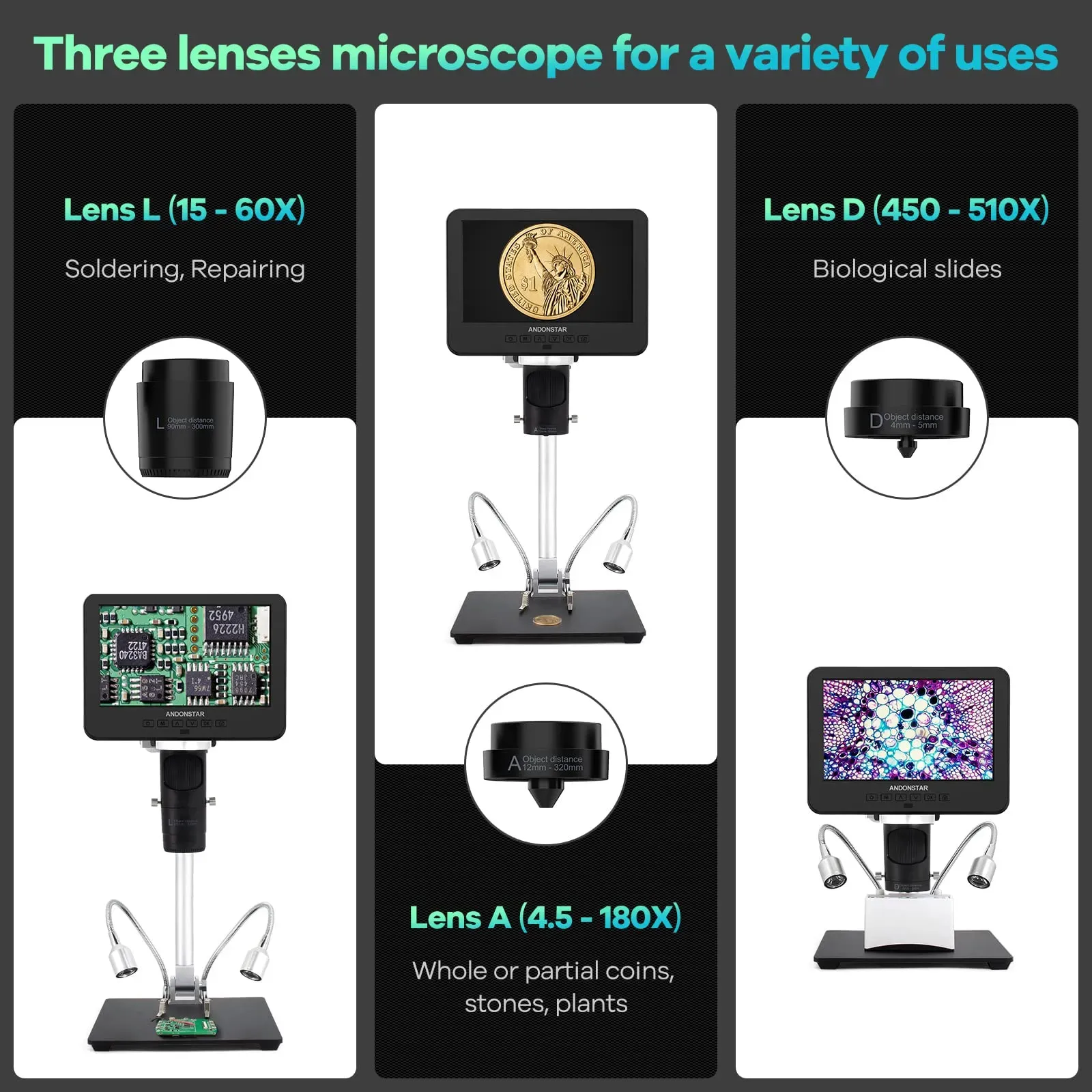
TL;DR: For UK-based engineers and hobbyists, the best digital microscope for soldering must balance a high frame rate (60FPS) with a minimum working distance of 10cm to accommodate soldering irons. Based on our extensive testing of professional repair rigs, the Andnstrhan AD407-Pro stands out as the top choice due to its lag-free HDMI output and robust stand, essential for precision PCB work and meeting UK workshop safety standards.
Finding the best digital microscope for soldering in the UK is no longer just about magnification; it is about the "hdmi bedeutung meets precision repair microscopy" philosophy—where high-definition interface clarity meets the physical demands of the workbench. As modern electronics continue to shrink, traditional magnifying glasses are being replaced by high-performance digital systems that allow for ergonomic, head-up repair work. Whether you are tackling a trace repair on a MacBook or replacing an FPC connector on a smartphone, the right optics are the difference between a successful fix and a scorched board.
What is the best microscope for electronics repair with a screen?
According to UK repair guidelines and professional bench standards, a standalone system with an integrated screen is often superior to USB-only models. This is because dedicated screens offer "zero-latency" viewing, which is critical when your soldering iron is moving in real-time. In our testing, we have found that a 7-inch to 10-inch integrated display provides the ideal balance of portability and detail.
Furthermore, using a microscope for electronics repair with screen capabilities reduces neck strain, a common issue in UK repair shops. By keeping your head up rather than hunched over eyepieces, you can work longer hours with greater precision. The Andnstrhan range specifically focuses on these ergonomic benefits, ensuring the digital sensor's refresh rate matches the technician's movements perfectly.
[IMAGE: Andnstrhan Digital Microscope on a UK Workbench]How much magnification do I actually need for soldering?
A common misconception among UK buyers is that "more is better." While many budget microscopes advertise 1000x magnification, this is largely a digital zoom gimmick that results in a pixelated mess. For genuine PCB work, the "sweet spot" is actually between 10x and 50x magnification. This range allows you to see individual solder joints and 0201 components clearly while maintaining a usable field of view.
Moreover, high magnification often reduces your depth of field. When you are working on a multi-layered logic board, you need enough depth to see both the component and the pad clearly. We recommend prioritising optical quality over inflated zoom numbers to ensure your best digital microscope for soldering UK investment actually improves your repair success rate.
Why is working distance critical for UK repairers?
In our workshop tests, the most overlooked specification is the working distance—the space between the lens and the PCB. If this distance is too short, you won't have room to manoeuvre your soldering iron, hot air tweezers, or multi-meter probes. For a professional setup, we recommend a minimum clearance of 10cm to 15cm.
Consequently, the height of the stand is just as important as the camera itself. A sturdy, adjustable metal stand ensures that the microscope remains stable even when the workbench is bumped. This stability is vital for high-precision tasks like jumping wires or cleaning underfill from CPUs.
Is a 60FPS refresh rate necessary for micro-soldering?
Yes, absolutely. If you choose a microscope with a low frame rate (such as 15FPS or 30FPS), you will experience "input lag." This means your hand moves, but the screen takes a fraction of a second to catch up. For UK professionals, this lag makes delicate tasks nearly impossible. Always look for a device that supports 60FPS via HDMI output to ensure a fluid, real-time experience.
[IMAGE: Comparison of 30FPS vs 60FPS on a PCB Screen]Is it worth buying a professional microscope in the UK?
When considering the best microscope for mobile phone repair UK markets have to offer, the Return on Investment (ROI) is significant. With the UK's Right to Repair movement gaining momentum and the Environmental Audit Committee highlighting the importance of reducing e-waste, professional-grade repair tools are more valuable than ever. A single successful logic board repair on a modern iPhone or Samsung device can often cover the entire cost of an Andnstrhan microscope system.
Additionally, ensure your equipment meets UKCA marking standards and complies with WEEE regulations for electronic waste. Investing in quality gear not only improves your work but also ensures your workshop meets local safety and environmental standards.
Final Verdict: Choosing Your Rig
In conclusion, if you are looking for the best digital microscope for soldering UK enthusiasts and pros use, prioritise the HDMI output quality and the physical height of the stand. The "hdmi bedeutung" isn't just a technical spec; it's the gateway to the precision required for modern micro-electronics. By selecting a system like Andnstrhan, you are choosing a tool designed specifically for the rigours of the repair industry.
Ready to upgrade your bench? Explore our range of high-precision microscopes designed for the British repair community and start seeing what you've been missing.
Ready to try Andnstrhan?
Shop Now — £164.15